

Immobilienverkauf in Nürnberg
mit Davis & Partner.
Ihr Experte für die Metropolregion – von Erlangen und Fürth bis Roth und Schwabach.
Verkauf von Wohnimmobilien und Kapitalanlagen. Persönlich begleitet. Strategisch geführt.
Kostenfrei. Unverbindlich. Diskret.


Davis & Partner begleitet Eigentümer in Nürnberg und der Metropolregion mit klarer Strategie, fundierter Bewertung und professioneller Verhandlungsführung.



Christoffer Davis
Immobilienmakler (IHK)
Immobilienbewerter (IHK)

Unverbindlich. Persönlich. Vertraulich.
Führung, die Ergebnisse schafft.
Christoffer Davis übernimmt ausschließlich Mandate, bei denen er den bestmöglichen Verkauf vollumfänglich verantworten kann, selektiv, konsequent und ohne Kompromisse bei der Qualität. Sein Ansatz ist der eines strategischen Verhandlungsführers. Jede Immobilie erhält eine individuelle Preisstrategie, eine gezielte Käuferauswahl und einen unerschütterlichen Fahrplan, von der ersten Einschätzung bis zur Schlüsselübergabe.
Das Ergebnis. Maximale Sicherheit für Verkäufer, Verzicht auf unnötigen Besichtigungstourismus und ein Abschluss, der exakt das hält, was er verspricht.
Davis & Partner betreut bewusst nur eine begrenzte Anzahl an Verkaufsmandaten gleichzeitig.
Erhalten Sie eine realistische Einschätzung zum aktuellen Marktwert Ihrer Immobilie in Nürnberg.
Was ist Ihre Immobilie wert?
Erhalten Sie eine kostenlose und unverbindliche Ersteinschätzung Ihres Immobilienwertes.

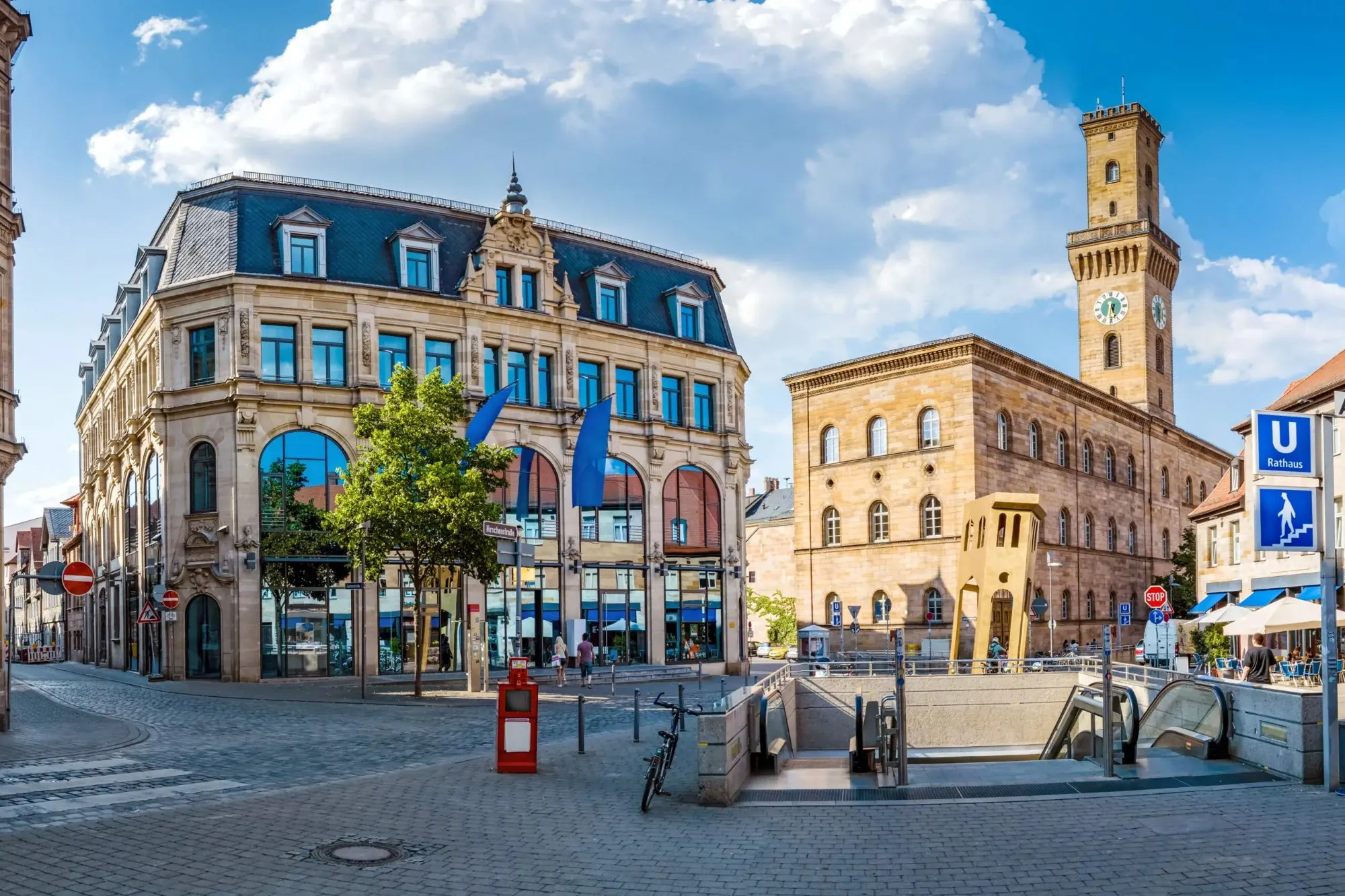
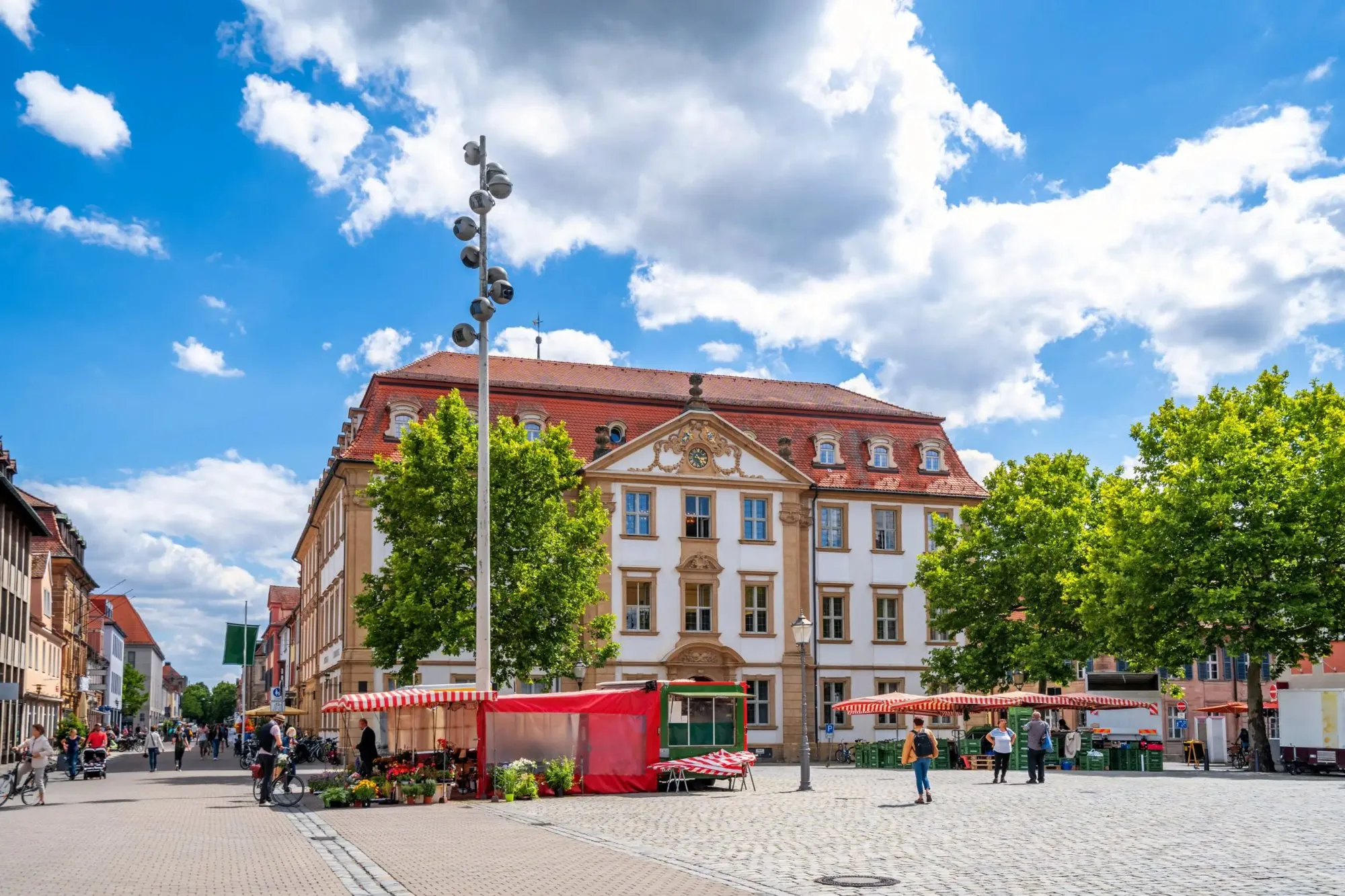
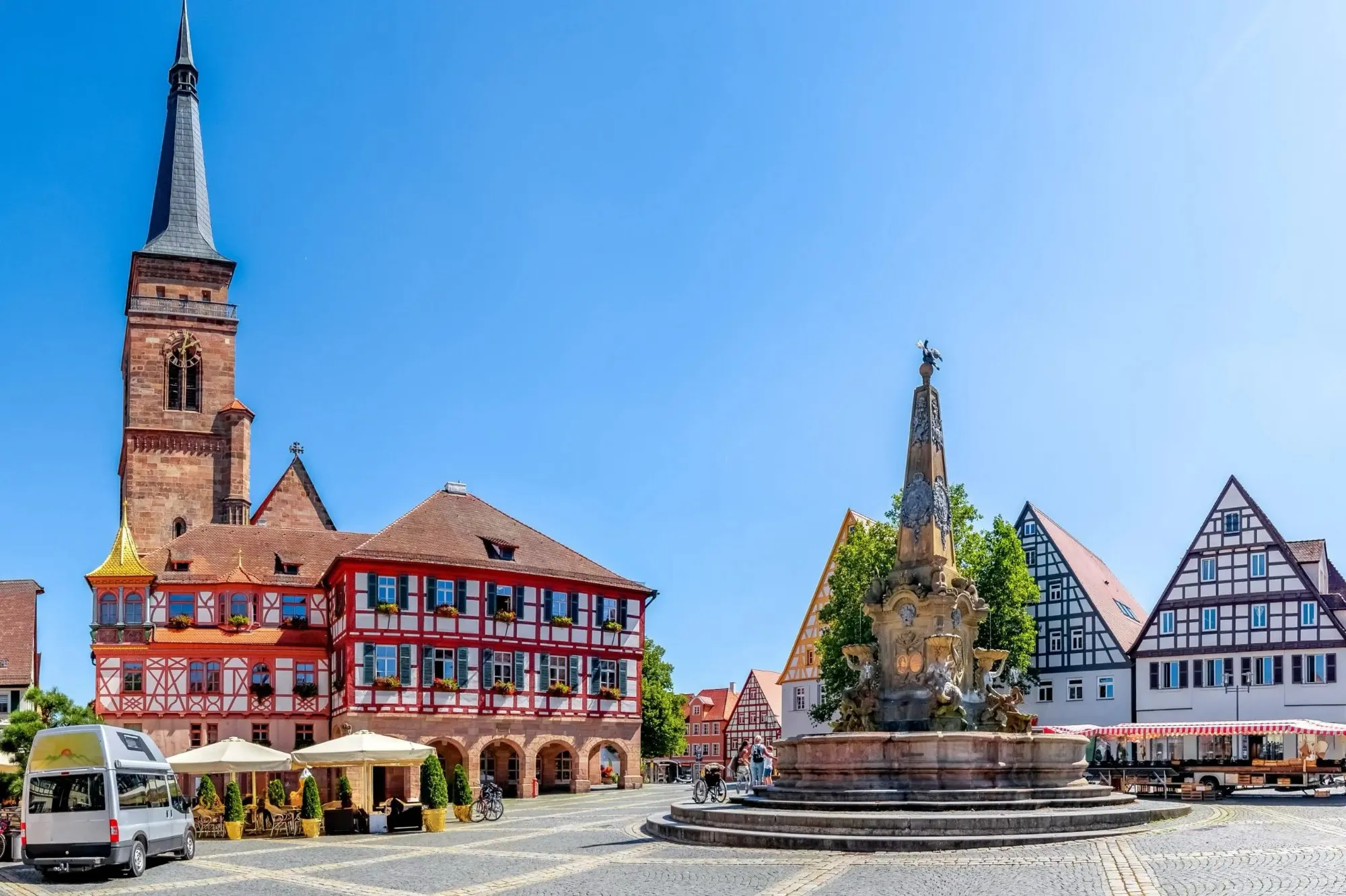
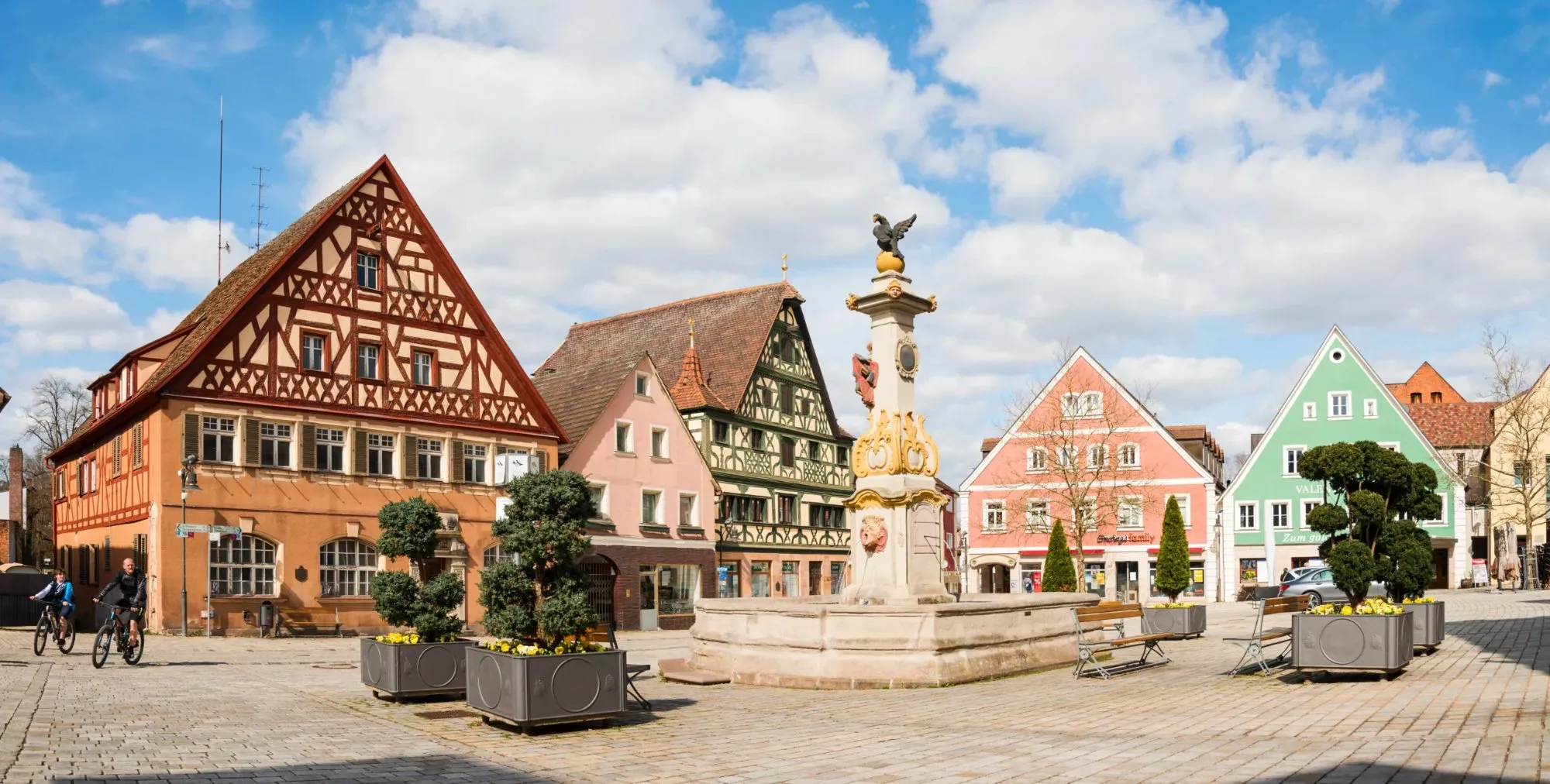
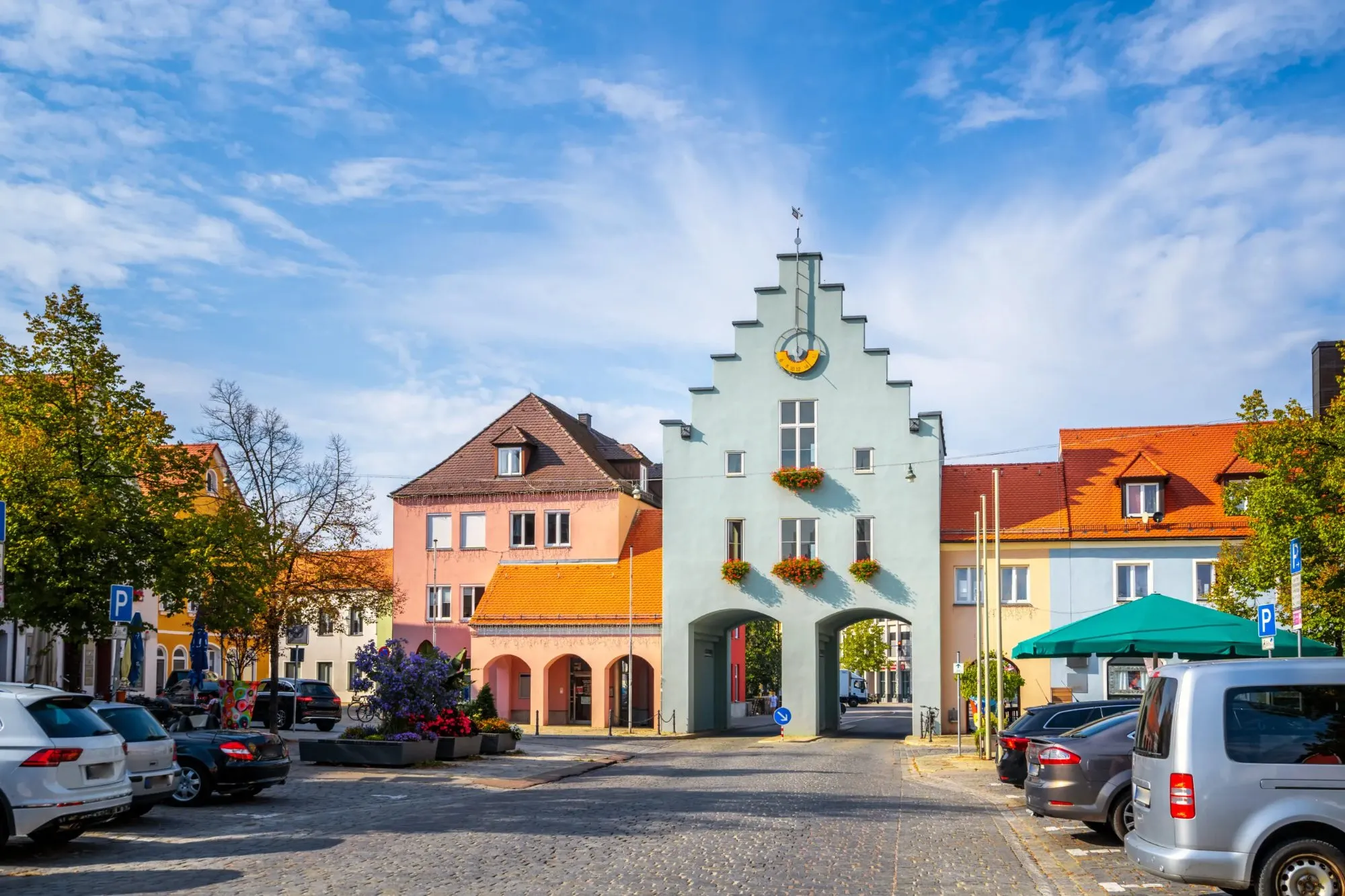




Immobilie verkaufen in Nürnberg
Wir begleiten Sie bei jedem Immobilientyp – professionell und persönlich.
Mehrfamilienhäuser
Anlageimmobilien und Zinshäuser diskret und marktgerecht vermitteln.
Mehr erfahrenIn 5 Schritten zum erfolgreichen Verkauf
Erstgespräch
Persönliche Beratung zu Ihren Wünschen und Zielen.
Bewertung
Professionelle Ermittlung des Marktwertes Ihrer Immobilie.
Exposé
Hochwertige Aufbereitung mit Fotos, Grundrissen und Texten.
Vermarktung
Zielgerichtete Vermarktung über alle relevanten Kanäle.
Abschluss
Begleitung bis zur notariellen Beurkundung und Übergabe.
Was unsere Mandanten sagen
Echte Bewertungen von Eigentümern und Käufern.

Familie Becker
Hauskauf · Nürnberg
„Ein Hauskauf ist Vertrauenssache – und bei Herrn Davis hatten wir vom ersten Gespräch an das Gefühl, in den richtigen Händen zu sein. Er hat uns durch jeden Schritt begleitet, klar und ohne Umwege."

M. Karaca
Hauskauf · Nürnberg
„Als Käufer war mir Verlässlichkeit das Wichtigste. Herr Davis war durchgehend transparent, pünktlich und hat mir das Gefühl gegeben, dass jede Entscheidung auf Fakten basiert – nicht auf Druck."

C. von Asten
Wohnungsverkauf · Erlangen
„Herr Davis hat sich um alles gekümmert – von der Bewertung bis zur notariellen Beurkundung. Professionell, strukturiert und immer erreichbar. Ich würde jederzeit wieder mit ihm zusammenarbeiten."
F. von Saldern
Hausverkauf · Schwabach
Herr Davis hat mein Elternhaus bewertet und erfolgreich verkauft. Seine Beratung war fundiert, sein Auftreten sehr seriös.
D. Schneider
Hausverkauf · Roth
Ein fairer Vermittler, der Käufer und Verkäufer gleichermaßen ernst nimmt. Alles verlief transparent und reibungslos.
K. Roth
Wohnungsverkauf · Nürnberg
Der Verkauf meiner Eigentumswohnung war emotional – Herr Davis hat mich mit Feingefühl und Kompetenz begleitet.
B. Breidenstein
Hauskauf · Erlangen
Herr Davis war transparent, gut vorbereitet und hat mir alle Unterlagen verständlich erklärt. Sofort Vertrauen.
M. Lindenthal
Immobilienverkauf · Roth
Sachlichkeit und echte persönliche Betreuung – beides zusammen. Alles verlief professionell und ohne Überraschungen.
J. Vogel
Hauskauf · Schwabach
Stets sachlich und hilfsbereit. Ich hatte zu jeder Zeit das Gefühl, in guten Händen zu sein.
B. Lehmann
Wohnungsverkauf · Nürnberg
Der perfekte Ansprechpartner: kompetent, empathisch und sehr strukturiert. Klare Empfehlung.
H. Nakamura
Hauskauf · Neumarkt
Vom Erstkontakt bis zur Schlüsselübergabe hervorragend begleitet. Mehr kann man nicht erwarten.
Familie Dubois
Hausverkauf · Fürth
Herr Davis hat unsere Immobilie zum bestmöglichen Preis verkauft. Klar, strukturiert und immer auf unserer Seite.
Aus Gründen der Diskretion wurden Fotos und Namen teilweise angepasst.

Christoffer Davis
„Struktur im Hintergrund. Verantwortung im Vordergrund."

Sprechen Sie uns an
Wir freuen uns auf Ihre Nachricht und beraten Sie gerne persönlich.
WhatsApp schreibenIch freue mich auf Ihre Anfrage.
Nachricht senden
Wir melden uns innerhalb von 24 Stunden bei Ihnen.
Immobilienverkauf in Nürnberg & der Metropolregion: Strategie schlägt Zufall
Wer eine Immobilie in Nürnberg verkaufen möchte, trifft eine Entscheidung von enormer wirtschaftlicher Tragweite. In einem Marktumfeld, das von hoher Dynamik und komplexen Preisgefügen geprägt ist, entscheiden nicht allein die Besichtigungen über den Erfolg – es ist die präzise Verkaufsstrategie in Verbindung mit einer fundierten Immobilienbewertung, die den Unterschied macht.
Als spezialisierte Immobilienexperten begleiten Davis & Partner anspruchsvolle Eigentümer beim Verkauf von Häusern, Eigentumswohnungen und Renditeobjekten in der gesamten Metropolregion. Unser Fokus liegt dabei auf den Kerngebieten Nürnberg und Fürth sowie den wichtigen Wachstumsmärkten Erlangen, Schwabach und Roth. Jede Mikro-Lage besitzt ihre eigene DNA. Wer hier das volle Potenzial seiner Immobilie ausschöpfen will, benötigt mehr als nur ein einfaches Inserat – er benötigt echte Marktführerschaft in der Analyse.
Präzision statt Preisdumping: Warum die Bewertung den Ausschlag gibt
Ein kritischer Fehler im Nürnberger Markt ist die falsche Positionierung zu Beginn. Ein zu hoher Einstiegspreis führt oft zu langen Standzeiten, während ein zu niedriger Preis schlichtweg bares Kapital verschenkt. Eine fundierte Immobilienbewertung in Nürnberg durch Davis & Partner ist deshalb kein grober Schätzwert, sondern das Resultat einer tiefgreifenden Marktanalyse. Ziel ist es, den Punkt zu identifizieren, an dem maximale Nachfrage auf den höchstmöglichen Marktpreis trifft.
Die Davis & Partner Qualitätsstandards: Struktur für Ihren Erfolg
Unsere Arbeitsweise folgt einem klaren Anspruch an Qualität und Ergebnisorientierung. Für Eigentümer, die ihre Wohnung oder ihr Haus in Nürnberg verkaufen möchten, bedeutet das konkret:
- Absolute Transparenz. Sie erhalten klare Einblicke in jeden Schritt bis zur finalen Beurkundung.
- Gezielte Käuferansprache. Es werden ausschließlich geprüfte und bonitätsstarke Interessenten berücksichtigt.
- Souveräne Verhandlung. Der Verkaufsprozess wird aktiv geführt, mit dem Ziel eines wirtschaftlich überzeugenden Ergebnisses.
Regionale Expertise in Fürth, Erlangen und dem Umland
Die Spielregeln innerhalb der Metropolregion unterscheiden sich deutlich. Während in Nürnberg häufig eine hohe Nachfrage auf ein begrenztes Angebot trifft, erfordern andere Lagen eine differenzierte Ansprache. Genau hier zeigt sich der Unterschied zwischen einer einfachen Vermittlung und einer strukturierten Verkaufsstrategie.
Wenn Sie Ihre Immobilie in Nürnberg oder der Metropolregion verkaufen möchten, erhalten Sie durch eine unverbindliche Einschätzung eine klare Orientierung zum aktuellen Marktwert und den nächsten sinnvollen Schritten.