Why I became a broker - and why trust is my top priority
17. Dezember 2024 · 9 min read
Have you ever wondered why some real estate sales are calm, structured and successful - while others are characterized by uncertainty, mistrust and stress?
I experienced precisely these differences early on, long before I worked as an estate agent myself. And they are the reason why I decided to focus my career on one goal: To accompany real estate sales Nuremberg in such a way that sellers and buyers alike feel they are in good hands.
In this article, I explain why I became a real estate agent, how I work today and why trust is my most important asset - far more important than any advertisement, technology or sales portal.
How it all began - and what still shapes me today
Before I entered the real estate market professionally, I witnessed several sales in my environment where a lot of things went wrong: unrealistic prices, broken promises, burst financing, disappointed families. In almost all cases, the owners had one thing in common: they didn’t know who they could really trust.
That’s when I realized that it wasn’t a lack of information, but a lack of people who could classify this information, explain it honestly and provide clarity.
I became a real estate agent because I :
- don’t see selling as a „deal“, but as a life decision
- I want to bring structure and clarity to situations that are emotional and complex
- I take responsibility seriously - towards sellers, buyers and the property itself
Every sale confirms for me that specialist knowledge is important. But without trust, it remains theory.
Why trust is crucial when selling property in Nuremberg
For most people, a property is one of their biggest assets - financially and emotionally. When you sell your property, you are handing over something that is often closely linked to your life. In addition, there are issues such as market value, documentation, ancillary purchase costs, speculation tax, financing and the right buyer.
Trust is essential in this process for three reasons:
- you are making decisions based on information that you cannot review on a daily basis.
- you relinquish some of the control - for example when selecting interested parties or conducting negotiations.
- you need someone who will tell you the truth even when it is inconvenient.
In my understanding, trust means: I explain what is - not what you might like to hear.
What trust means in practice
Trust is not expressed in one sentence, but in many small decisions.
Examples from my everyday life:
- Honest valuation instead of wishful thinking: If the realistic market value is lower than expected, I address this - with justification via standard land value, market analysis and reference properties.
- No pressure: I don’t pressure anyone to sell. Sometimes it makes more sense to wait, to rent out or to solve the problem internally within the family.
- Transparency with prospective buyers: I don’t conceal any special features of the property from buyers. Anything that comes to light later hurts everyone.
- Clean preparation: I don’t start a sale if essential documents are missing or important questions have not been clarified.
This results in what counts in the end: a sale that is technically correct and feels right for you.
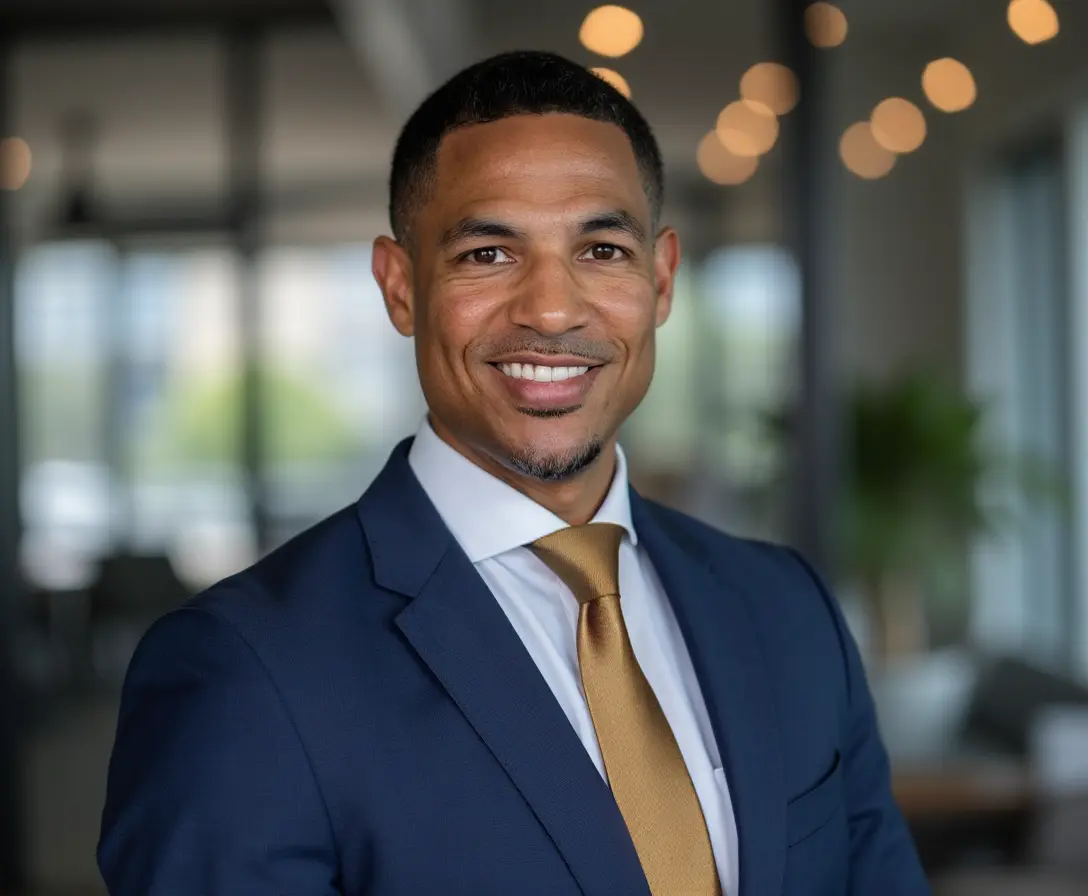
Christoffer Davis
Real Estate Agent (IHK) · Certified Property Valuer (IHK)
From first consultation to notary appointment – I manage the entire sales process for you.
Start Your House Sale →
How I value properties - and why I explain this openly
Many owners experience valuations as a „black box“. A figure comes out - but the way to get there remains unclear. It is important to me that you understand how this value is arrived at.
Among other things, I rely on the valuation:
- Market value: This is the realistically achievable market value of your property under normal conditions. It is the basis of any serious pricing strategy.
- Standard land value: This shows the average value per square meter of land in your location in Nuremberg. It is an important building block, but not the only truth.
- Market analysis: I look at supply, demand, sales prices achieved and typical marketing times in the relevant submarket - not only in Nuremberg in general, but also in relation to location and property type.
- Reference properties: These are comparable properties that have actually been sold - not asking prices from advertisements.
- Property value method: I use this method primarily for owner-occupied detached houses, semi-detached houses or terraced houses. It looks at the building fabric, the production costs and the land value.
- Income capitalization method: This is used in particular for rented apartments or apartment buildings. It values the property according to the income (rental income) it can generate in the long term.
I explain these terms to you so that you can not only see the final value, but also understand how to get there. This is where trust begins.
Why I don’t like to promise „the highest price“
Of course, every seller wants to achieve a good price. But „maximum“ and „realistic“ are two different things.
A price that is set too high often leads to:
- the property remains on the market for a long time
- Price reductions become necessary
- interested parties become suspicious („What’s wrong here?“)
- the price ultimately achieved is below the level that would have been possible with a realistic strategy
That’s why I combine valuation, market analysis and experience - and openly explain which strategy I recommend. For me, trust also means advising you against unrealistic desired prices, even if they sound more attractive in the short term.
How I deal with sensitive issues: taxes, finances, family
When selling a property in Nuremberg, issues regularly arise that go beyond the mere act of selling:
- possible speculation tax if certain deadlines between purchase and sale have not been met
- Financing of the buyers and their stability
- Family constellations such as inheritances, divorces or joint ownership
- Emotional attachment to the parental home or long-standing residential property
I do not replace tax or legal advice - that belongs in the hands of tax advisors and lawyers. But I name these issues early and clearly so that you know which questions you should clarify with which specialists.
Trust also means not talking things down just to make them sound „easier“.
Why openness towards buyers helps in the long term
Some sellers are worried that open communication will put buyers off. My experience is different: Honesty strengthens the sales process.
When I guide prospective buyers:
- I openly address special features (e.g. need for renovation, land registry issues, energy situation)
- I explain how the price relates to the market value, market analysis and reference properties
- I answer questions about ancillary purchase costs so that they do not come as a „surprise“ later on
- I remain calm during negotiations and stick to the strategy I have worked out beforehand
As a result, we attract exactly the right buyers: financially stable, well informed and with realistic expectations.
What trust looks like in practice: A short process
To give you a feel for how I work, here is a typical sales process in brief:
- introductory and orientation meeting: Goals, situation, property, time frame.
- detailed valuation: market value, standard land value, market analysis, reference properties, asset value method or income value method - depending on the property.
- review of documents: land register, building documents, energy certificate, rental documents, if available.
- coordination of the strategy: price, target group, marketing channel, handling negotiations.
- presentation and viewings: professional, structured, without exaggeration.
- examination of interested parties: Financial viability, motivation, timetable, keeping an eye on ancillary purchase costs.
- negotiation and decision: objective, calm, along the previously defined lines.
- preparation of the notarization: Coordination with notary, clarification of open points, support until handover.
At every point I ask myself the question: Would I go down this path if it were my own property?
Checklist: How to recognize whether you can trust an estate agent
If you are thinking about who you would like to sell your property with, these questions can help you:
- Will they explain to you how the market value is made up?
- Do you know the difference between the standard land value, the asset value method and the income capitalization method - and is it explained to you clearly?
- Are reference properties named that match your property - with real sales prices?
- Does the estate agent also address topics such as speculation tax, ancillary purchase costs or legal particularities - without pretending to be a tax or legal advisor?
- Do you have the feeling that you will be told honestly what is realistic - even if it does not match your initial hopes?
- Do you have the feeling that you are being listened to - or are you just being „convinced“?
The more of these questions you answer „yes“ to, the more you can be confident that trust is not just a word.
Conclusion: My most important asset is not the property - but your trust
I became a real estate agent because I want to support people in one of the most important processes of their lives: the sale of their property.
Not every situation is simple, not every decision is easy. But one thing always takes center stage for me: you should understand what we are doing - and why.
Trust is not a promise, but the result of:
- open communication
- comprehensible evaluation
- honest assessment
- structured support
- Respect for your situation and your property
And that is precisely why trust is my most important asset - especially when it comes to selling your property in Nuremberg safely, fairly and with a good feeling.
Read more: The 5 most common mistakes when selling a house - and how to avoid them (die) – warum-ich- | Property sales in Nuremberg: How owners recognize the optimal moment to sell (immobilienverkauf)
Planning to sell in the region? Our central guide page on Sell a house in Nuremberg bundles the entire Davis & Partner strategy.